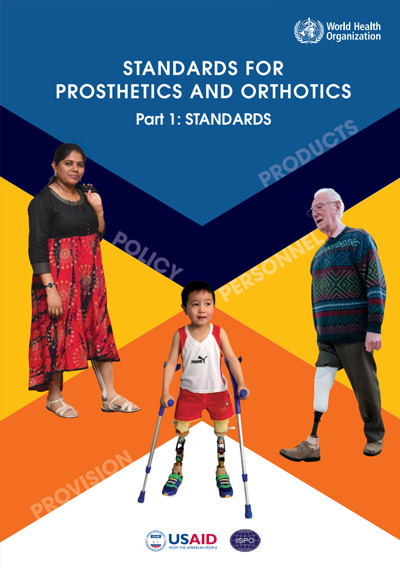
The Convention on the Rights of Persons with Disabilities (CRPD) obligates countries to ensure access to mobility aids, including prostheses and orthoses, to support the independence of people with disabilities. Since its adoption in 2006, over 170 countries have ratified the CRPD, committing to provide affordable, high-quality assistive products. Prostheses and orthoses are essential for enabling individuals with physical impairments to live independently and participate in society, yet WHO estimates that only 1 in 10 people in need have access to them due to barriers like cost and limited resources. In response, WHO launched the GATE initiative and, together with ISPO and USAID, developed global standards to guide countries in integrating prosthetics and orthotics services into their health systems. These efforts support universal health coverage and the achievement of the Sustainable Development Goals.



[fl_builder_insert_layout id=532]
Shopping Cart